 Private AI Use Cases and Configuration
Running AI Conversations With Zero Telemetry Exposure on Consumer Hardware
Local AI needs more than offline inference to truly protect your conversations from exposure.
Preston Nardone·
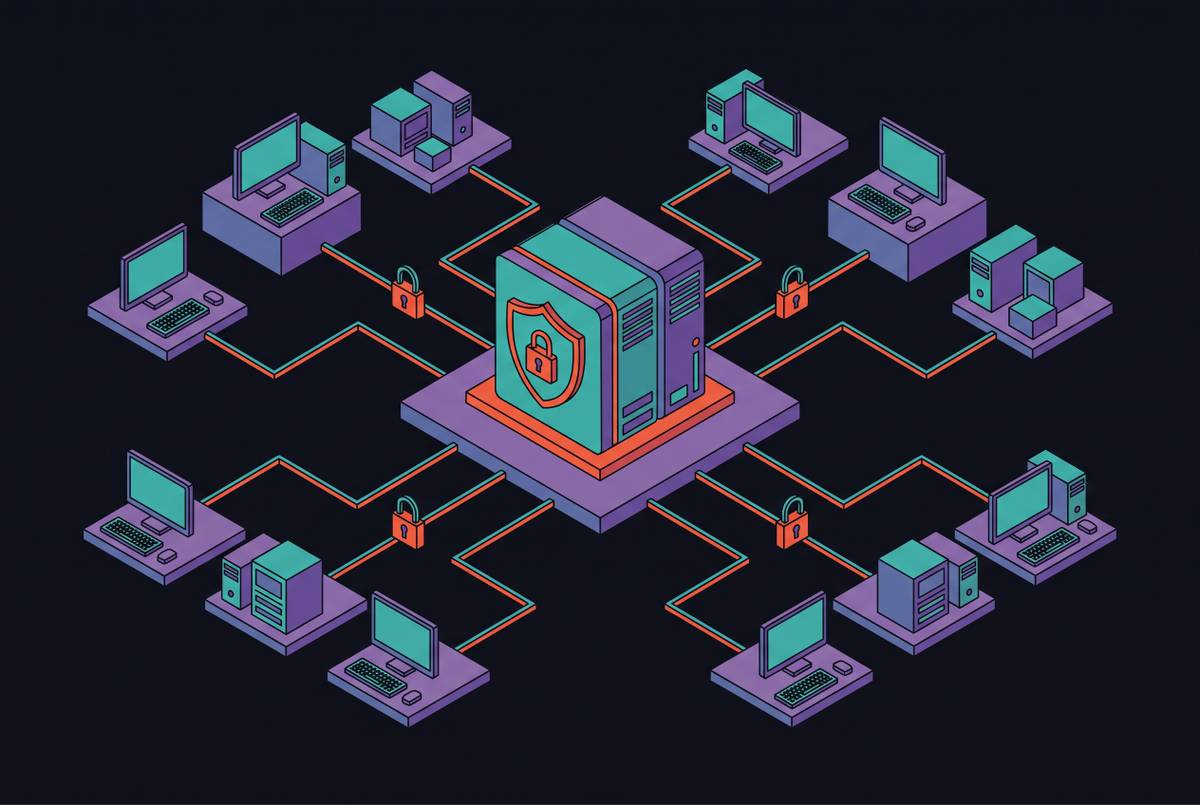 Zero-Trust and Provable Data Privacy
Operationalizing Zero-Trust AI at Scale Across Distributed Enterprise Teams
Five operating principles for securing AI agents across enterprise systems.
Preston Nardone·
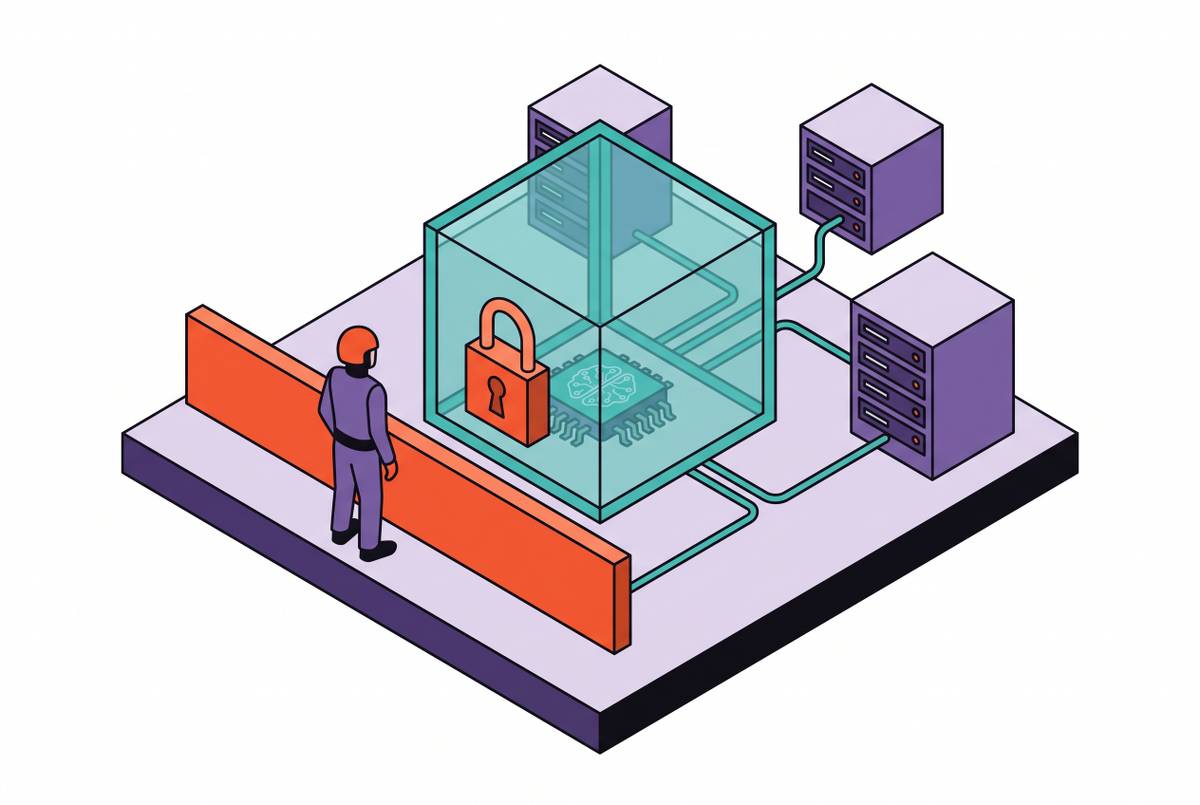 Confidential AI Inference at Scale
Architecting a Zero-Operator-Access AI Assistant on Confidential Computing Infrastructure
Hardware-rooted enclaves keep AI model data encrypted even from cloud operators.
Preston Nardone·
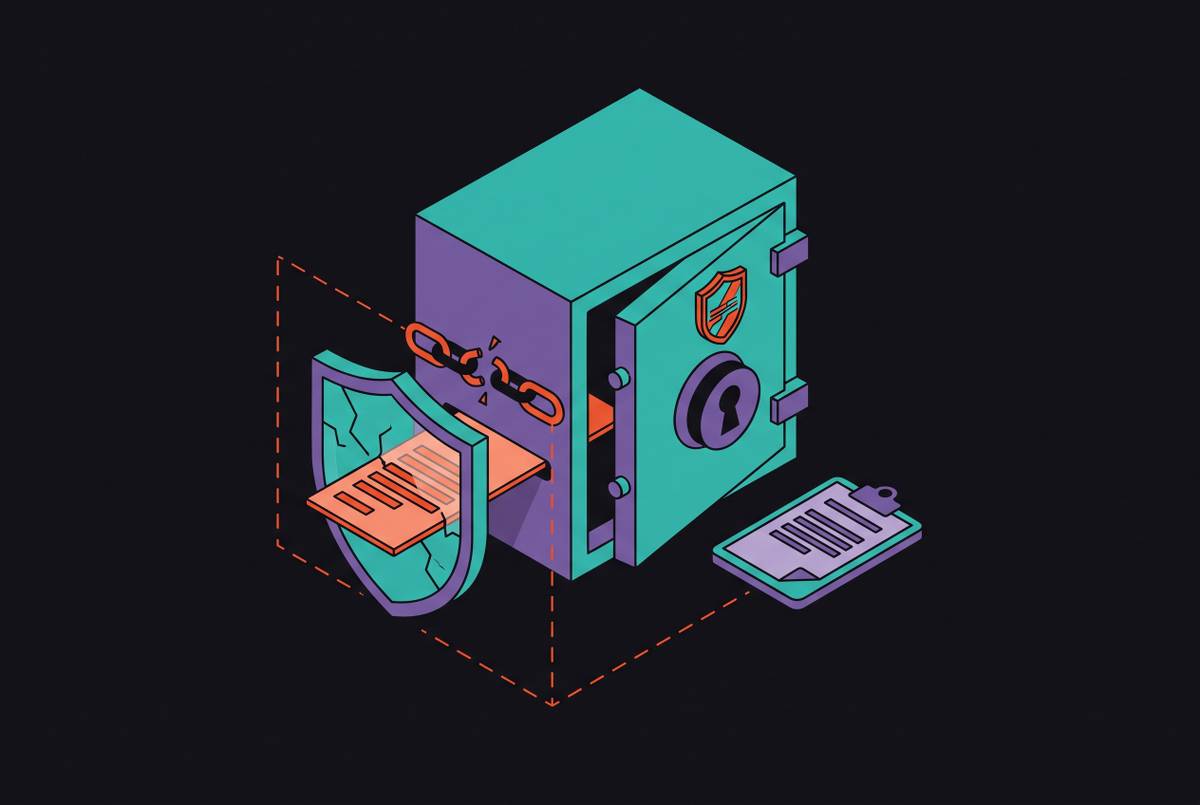 Confidential AI Inference at Scale
Why Policy-Based Operator Restrictions Fail Enterprise Confidentiality Requirements
Policy cannot prevent data breaches that occur during model inference, only after.
Preston Nardone·
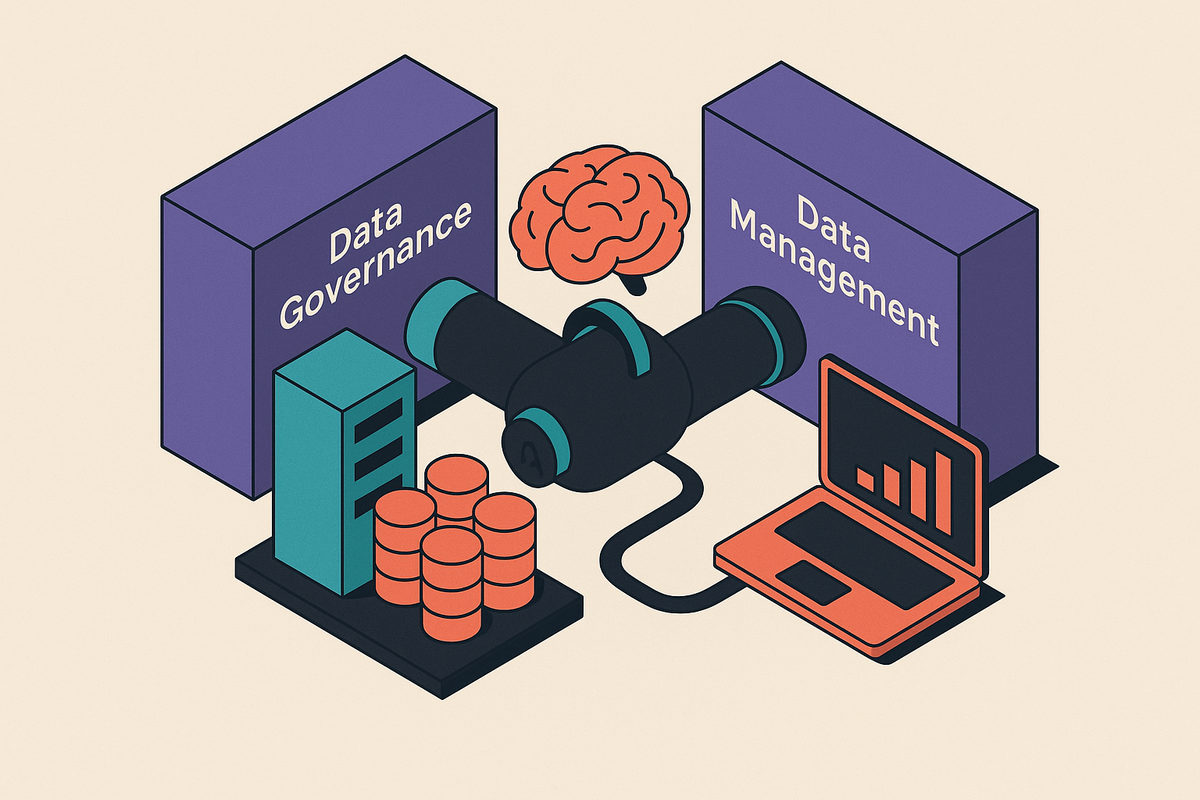 Features
Data Governance vs Data Management in an AI Pipeline Context
Governance must track data through the entire AI pipeline, not just to the warehouse.
Preston Nardone·
 Confidential AI Inference at Scale
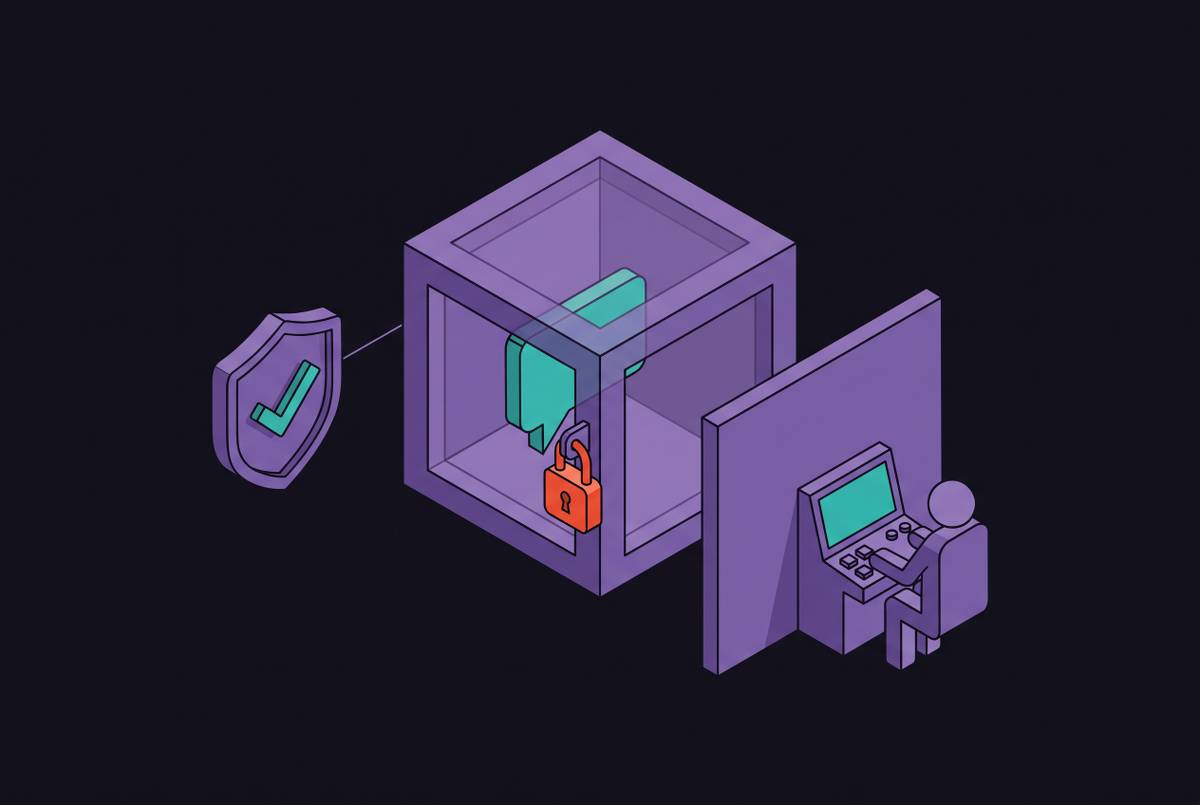
How TEE Attestation Lets Users Verify No Operator Can Read Their Prompts
Users can cryptographically verify their AI prompts stay encrypted during processing.
Preston Nardone·
 Zero-Trust and Provable Data Privacy
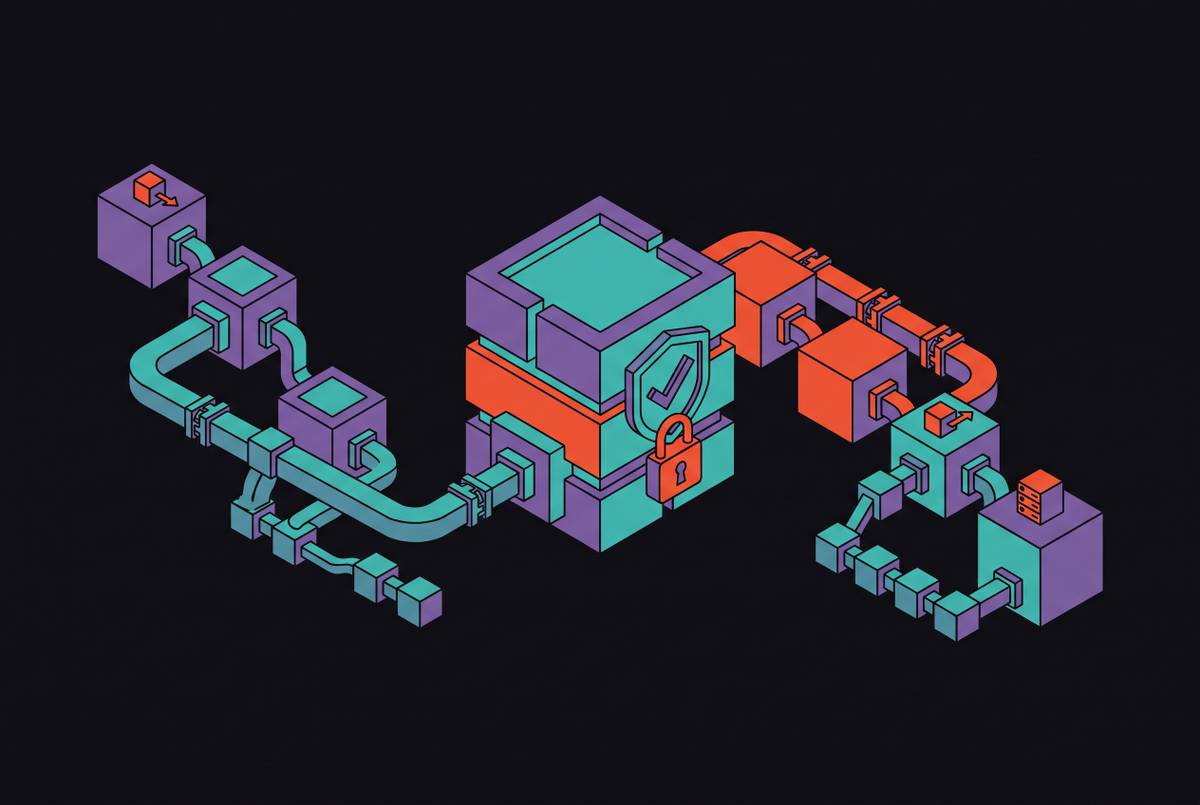
Supply Chain Integrity for AI Model Artifacts With SLSA
SLSA frameworks built for code need real adaptation to secure AI's multi-stage supply chains.
Preston Nardone·
 Features
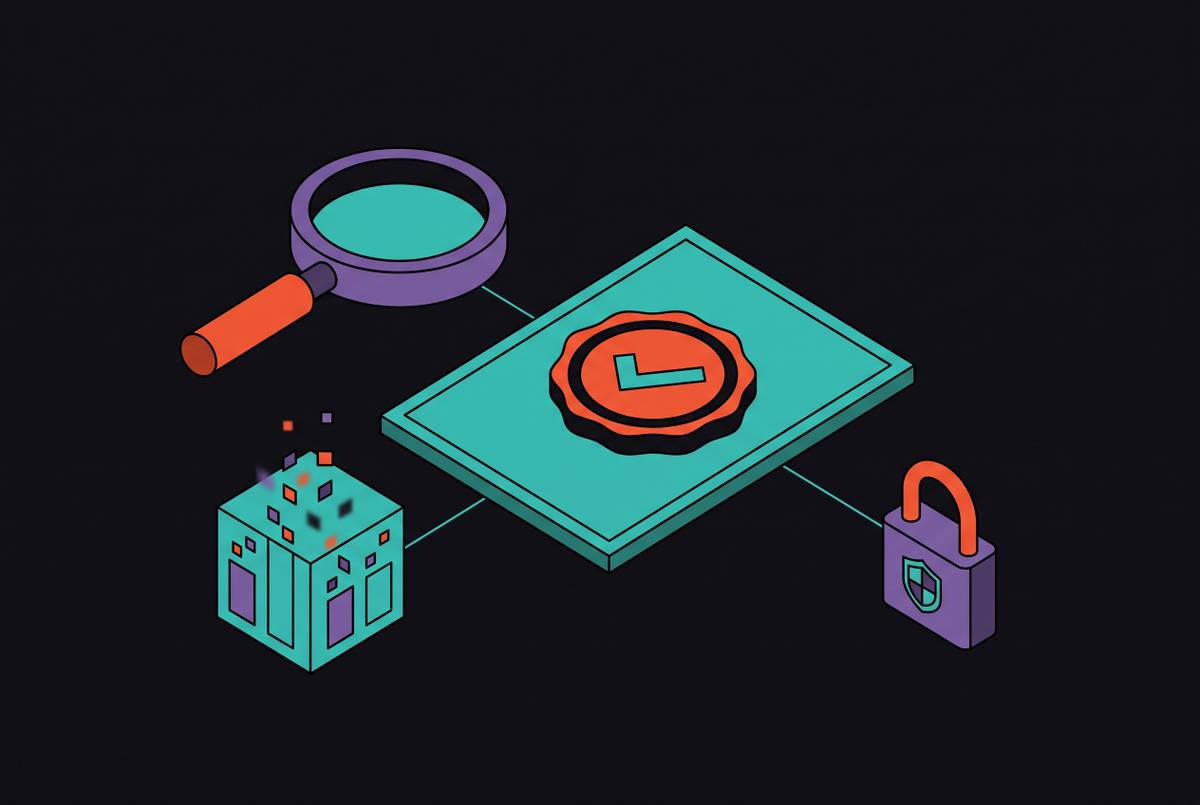
How to Verify a Vendor's Differential Privacy Claims
A buyer's checklist for pressure-testing differential privacy claims before signing a contract.
Preston Nardone·
 Confidential Computing on GPUs
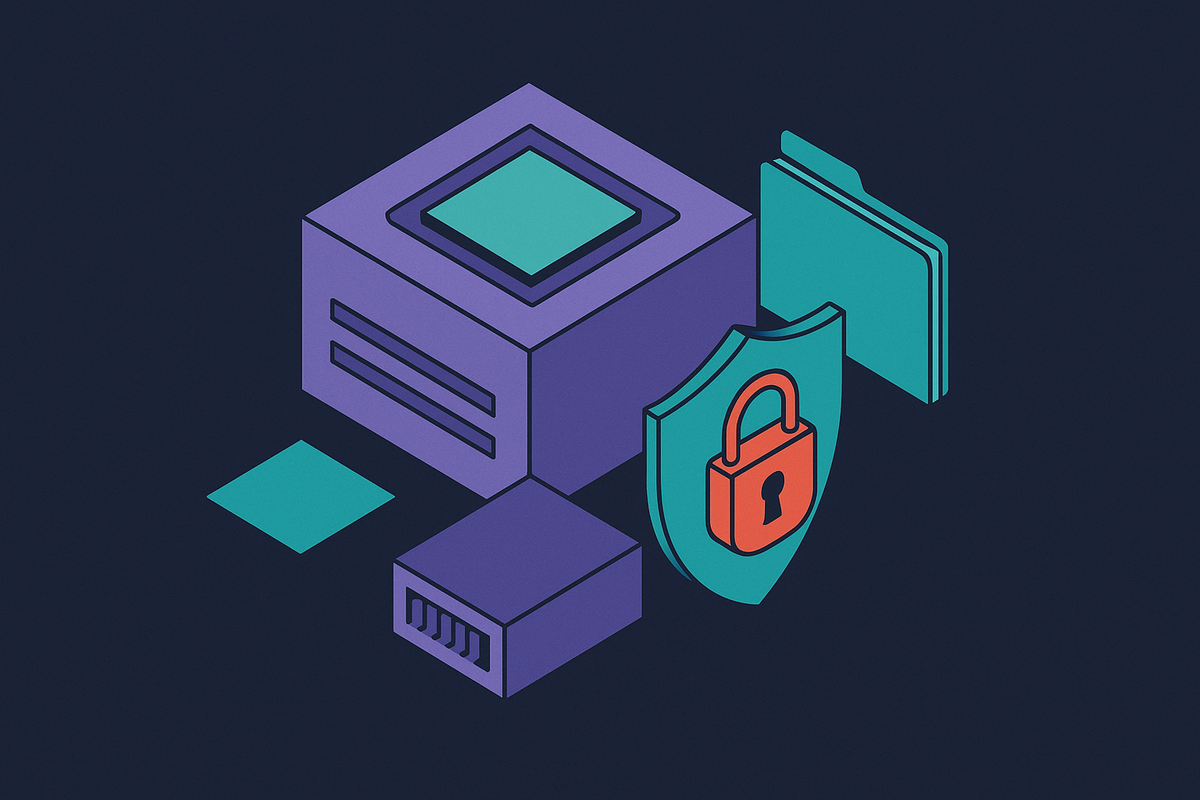
Securing the CUDA Driver Stack in Confidential GPU Deployments
NVIDIA's closed-source driver creates a trust gap in confidential GPU security.
Preston Nardone·
 Confidential Computing on GPUs
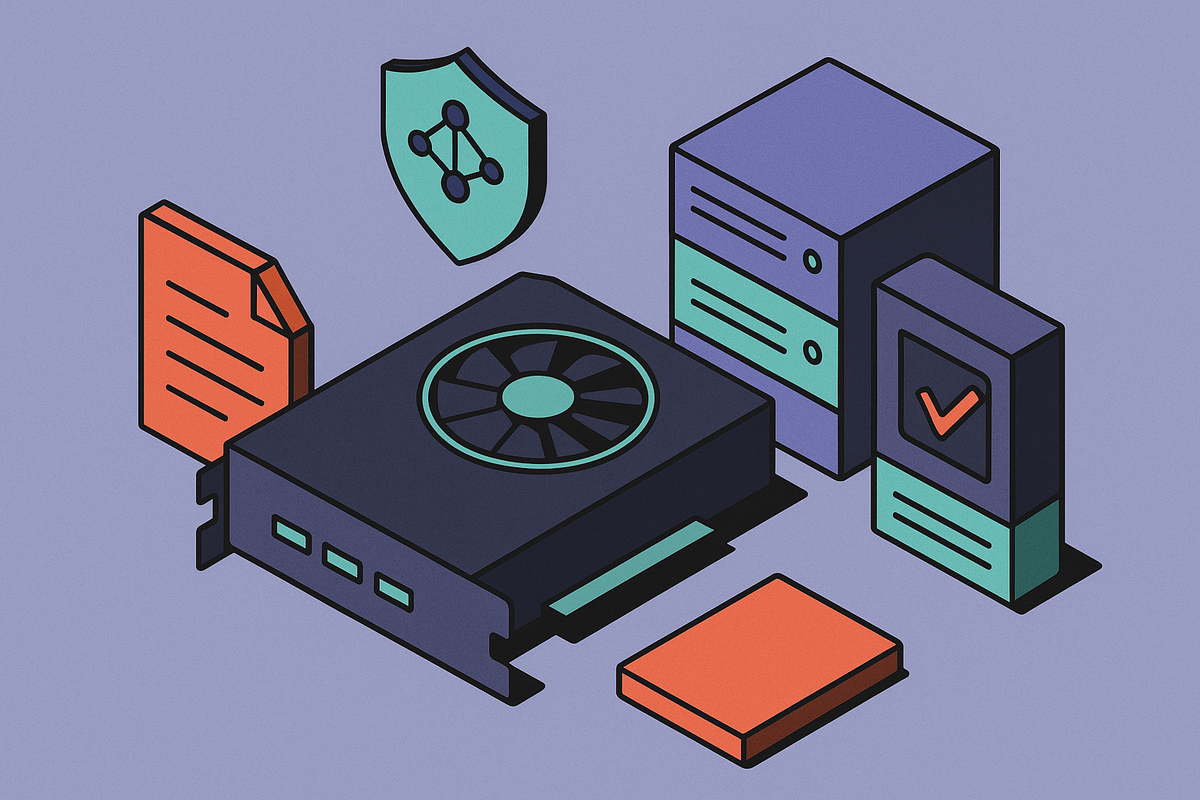
GPU Attestation with NVIDIA OCSP and NVIDIA RIM Service
Verify a GPU's identity and firmware integrity before processing sensitive AI workloads.
Preston Nardone·
 Attestation and Verifiable Computing
RATS Architecture and Attestation Evidence Formats
How role separation and standardized formats prevent devices from vouching for themselves.
Preston Nardone·
 Attestation and Verifiable Computing
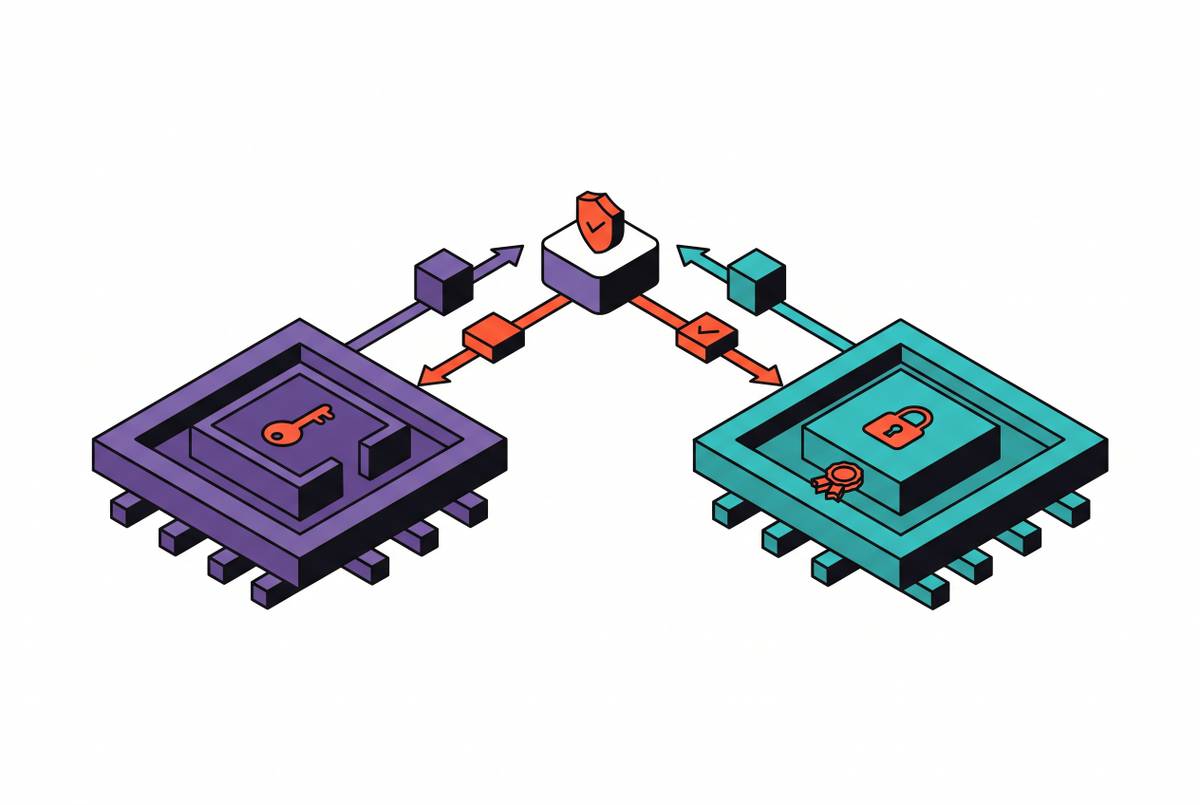
ARM TrustZone vs Intel SGX for Attestation Workflows
SGX roots trust in Intel's PKI; TrustZone delegates it to device vendors.
Preston Nardone·
 Attestation and Verifiable Computing
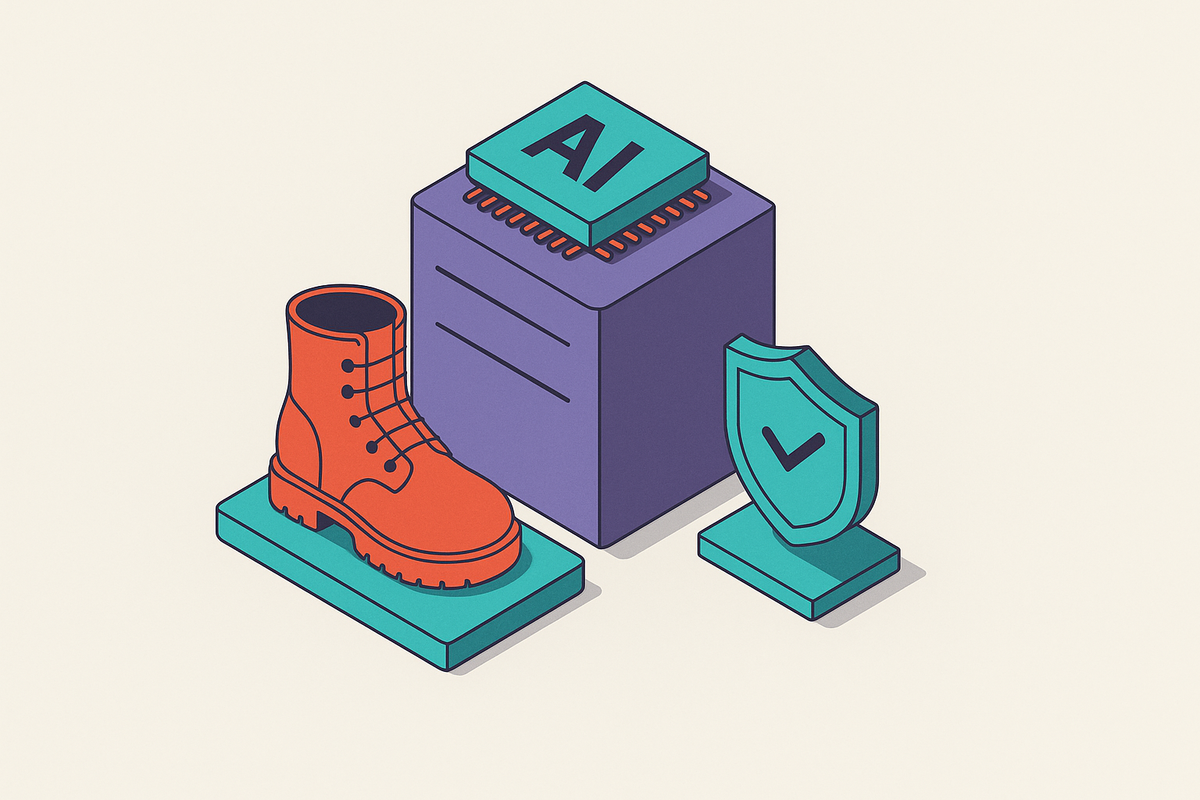
Measured Boot and Platform Integrity for AI Servers
Cryptographic boot logs catch AI server tampering that signatures alone miss.
Preston Nardone·
 Private AI Use Cases and Configuration
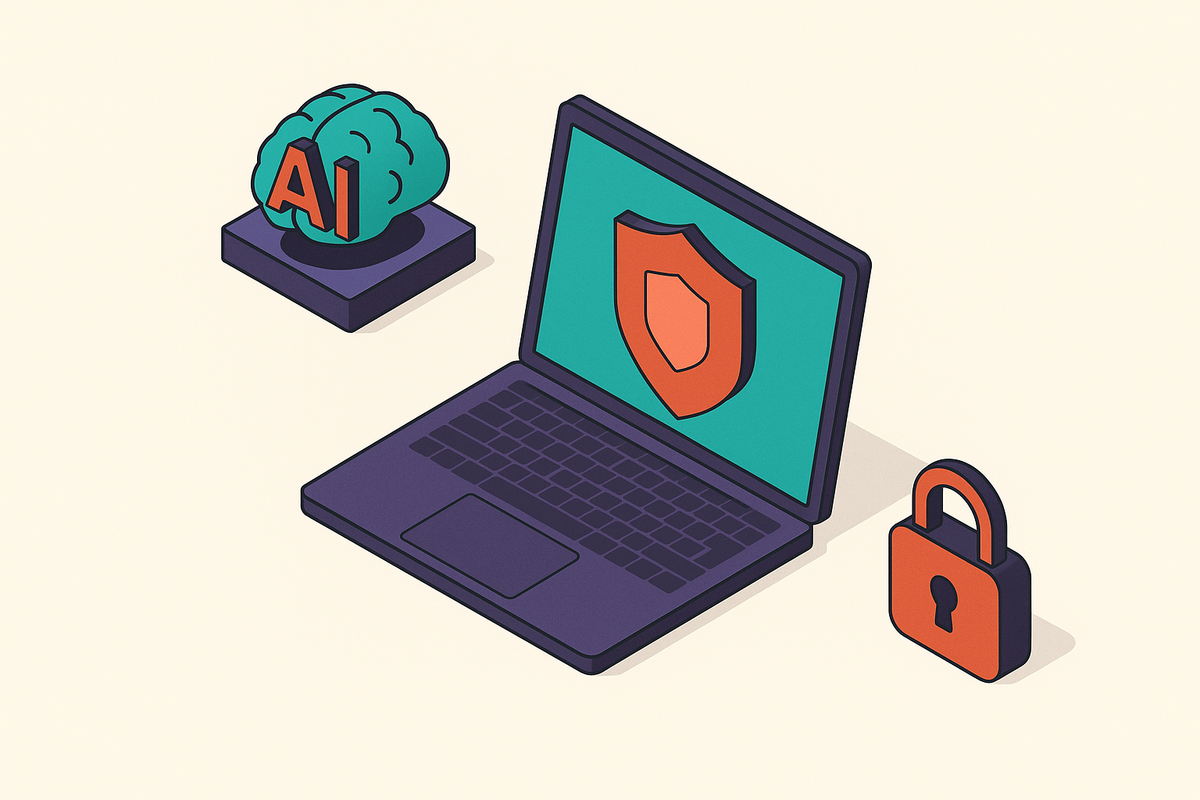
On-Device AI Inference on Apple Silicon for Privacy-Preserving Applications
Apple's unified memory lets developers run AI models on phones without sacrificing privacy.
Preston Nardone·
 Private AI Use Cases and Configuration
RAG Pipeline Design That Prevents Document Exfiltration to External APIs
Four distinct attack paths let documents escape RAG systems undetected.
Preston Nardone·
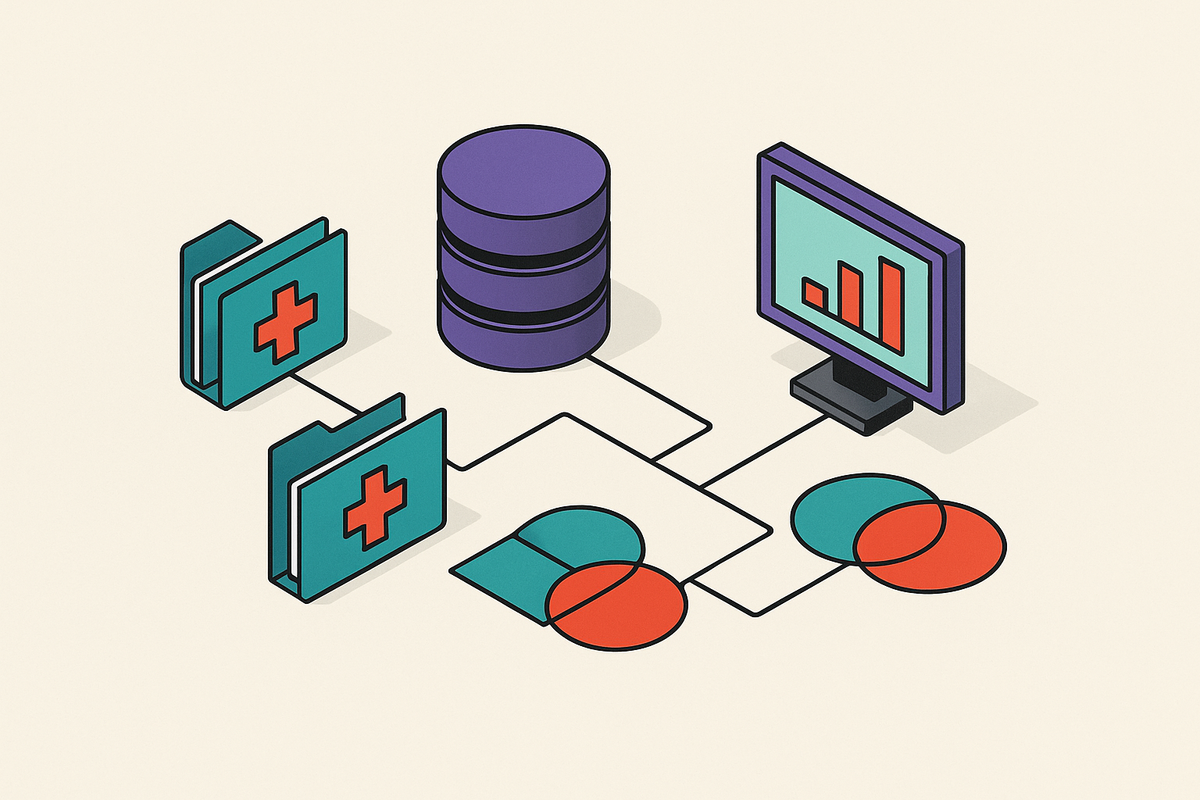 Cryptographic Primitives for Private AI
Private Set Intersection Protocols in Healthcare AI Data Pipelines
Cryptography lets hospitals find shared patients without exposing anyone's records.
Preston Nardone·
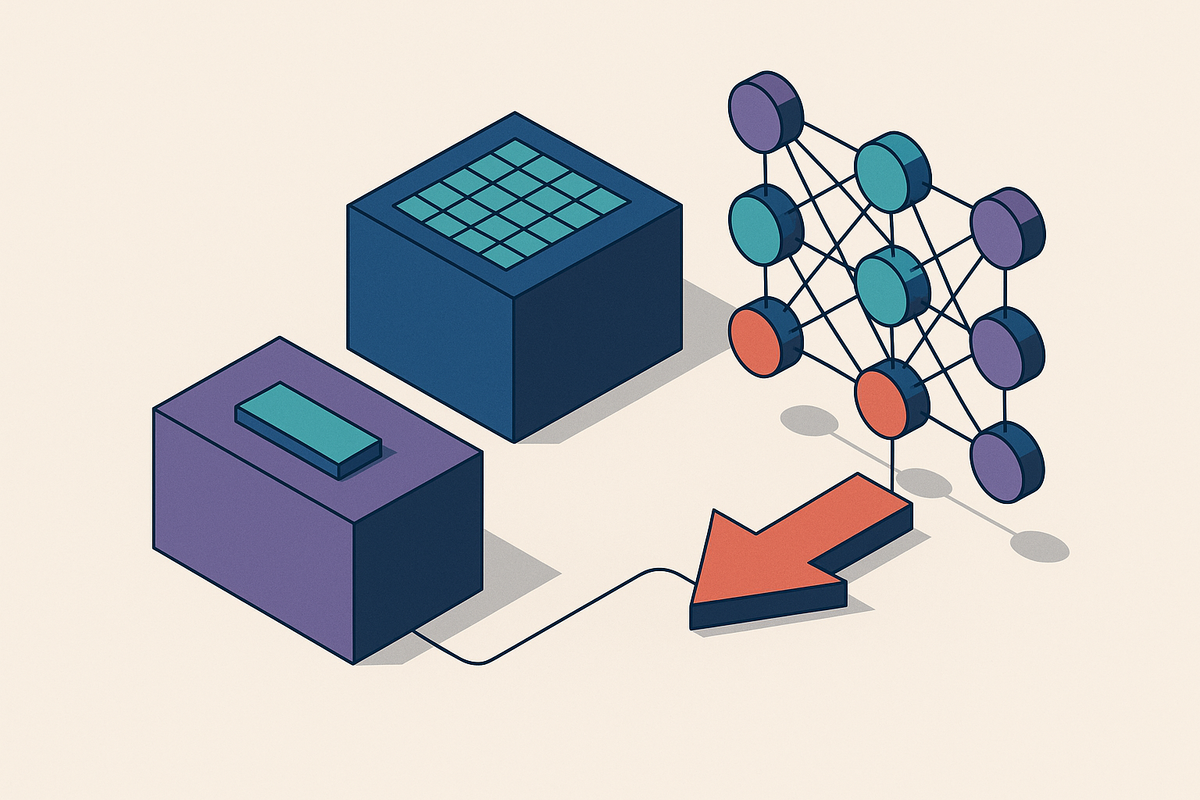 Cryptographic Primitives for Private AI
CKKS Parameter Selection for Private Neural Network Inference
How to pick the four cryptographic parameters that govern private neural network inference.
Preston Nardone·
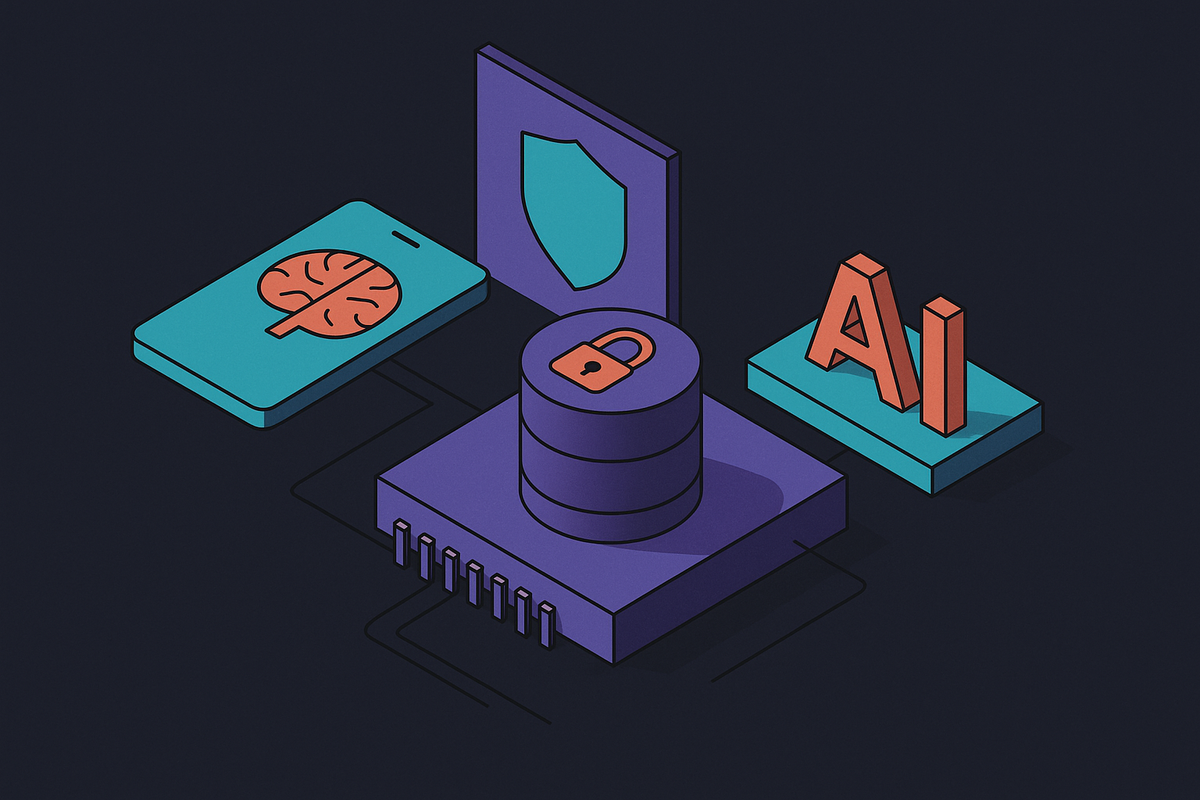 Trusted Execution Environments (TEEs) and Secure Enclaves
ARM CCA Realms as a TEE Model for Mobile and Edge AI
Arm's new security model lets phones run full AI models safely in isolated environments.
Preston Nardone·
 AI Data Practices
What OpenAI, Google, Anthropic, and Meta Do With Your Chats
How four AI giants handle your data, and why the differences matter.
Preston Nardone·
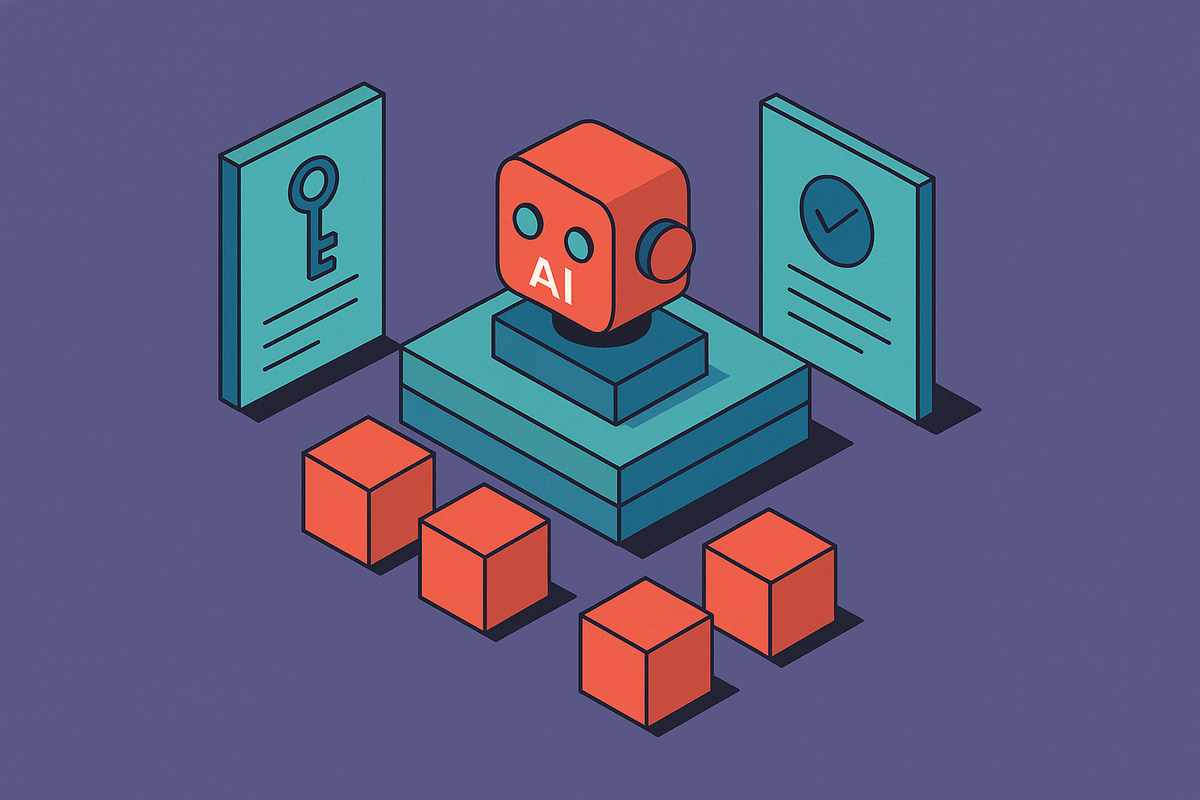 Cryptographic Primitives for Private AI
Zero-Knowledge Proofs for Verifiable AI Model Behavior
Cryptographic proofs let AI providers prove model behavior without exposing proprietary weights.
Preston Nardone·
 Attestation and Verifiable Computing
Remote Attestation Protocols in Confidential Computing
Three trust participants and reference values are the foundation of attestation security.
Preston Nardone·